All Categories
Featured
Table of Contents

Fats are one of the most focused type of food power, offering your pet with even more than twice the power of healthy proteins or carbohydrates. Fats are important in the framework of cells, required for the production of some hormonal agents, and are required for absorption and utilization of particular vitamins. Fats additionally provide insulation and defense for interior organs.
Carbohydrates supply energy, play an essential duty in the wellness of the intestine, and are necessary for reproduction. While there is no minimal carbohydrate demand, there is a minimal sugar need essential to supply power to essential organs such as the brain. Fibers are type of carbs that alter the microbial populace in the tiny intestinal tract, which can aid handle chronic diarrhea in pet dogs.
Getting The March Is Pet Nutrition Month! - Holistic Veterinary Care - Oakland, Ca To Work
The majority of vitamins can not be synthesized in the body, and consequently are important to acquire in the diet regimen. Please note that when feeding your dog a total and balanced diet regimen, it is unnecessary to offer a vitamin supplement unless a certain vitamin deficiency is diagnosed by a vet. As a result of over supplementation, poisoning due to excess vitamins (hypervitaminosis) is more usual these days than vitamin deficiency (hypovitaminosis).
Excess vitamin D might cause very dense bones, soft tissue calcification and kidney failing. Minerals are nutrients that can not be manufactured by animals and have to be given in the diet. In general, minerals are crucial as structural constituents of bones and teeth, for keeping fluid balance and for their participation in lots of metabolic responses.
Some Known Details About Pet Nutrition: Nutrients Your Dog & Cat Need - Webmd
This process of slowly decreasing a young puppy's dependency on his mother's milk, called weaning, ought to generally begin in between three and 4 weeks of age and is preferably totally by the time the young puppy is seven to eight weeks. Pups obtain full nutrition from their mommy's milk for the first four weeks of life, so there is no requirement to feed them anything during that time.
If you locate yourself in this situation, contact your veterinarian for product and feeding suggestions. Afterwards time, it's ideal to allow weaning be a progressive process that takes place over numerous weeks. This permits the mommy pet to slowly run out her milk supply and puppies need time to discover important actions from their mom and littermates, including how to translate indications of supremacy, hinder their own biting habits and send to more dominant dogs.
While divided, introduce the young puppies to eating from a pan. The amount of food, the regularity and size of splitting up can gradually be enhanced.
A spoiled small dog may call for just 10% of that, while an active pet who exercises regularly outdoors might require upkeep plus 20 to 40%. You may need to readjust portions as you discover your pet's optimal "maintenance" amount. Family pet owners must constantly speak with their canine's vet to determine the most effective feeding routine and kinds of foods for their family pets.
Examine This Report on Dog Weight Loss Information - Start Your Dog's Healthy Journey
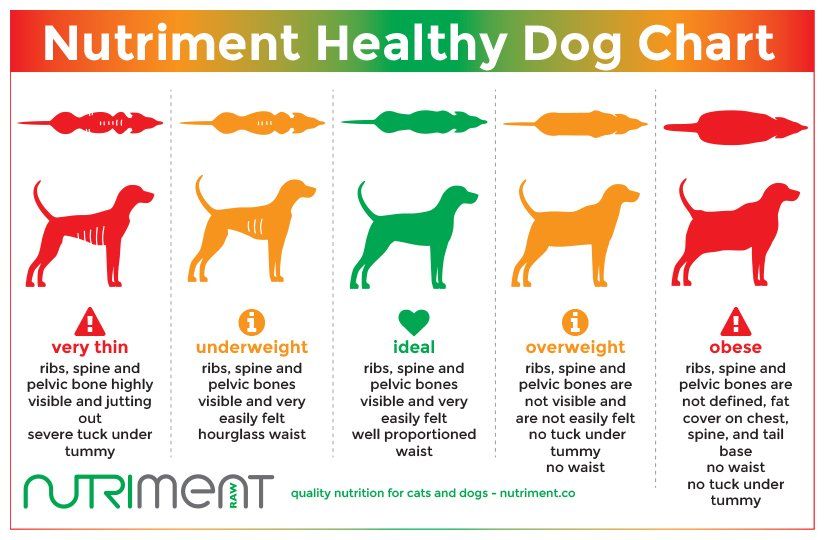
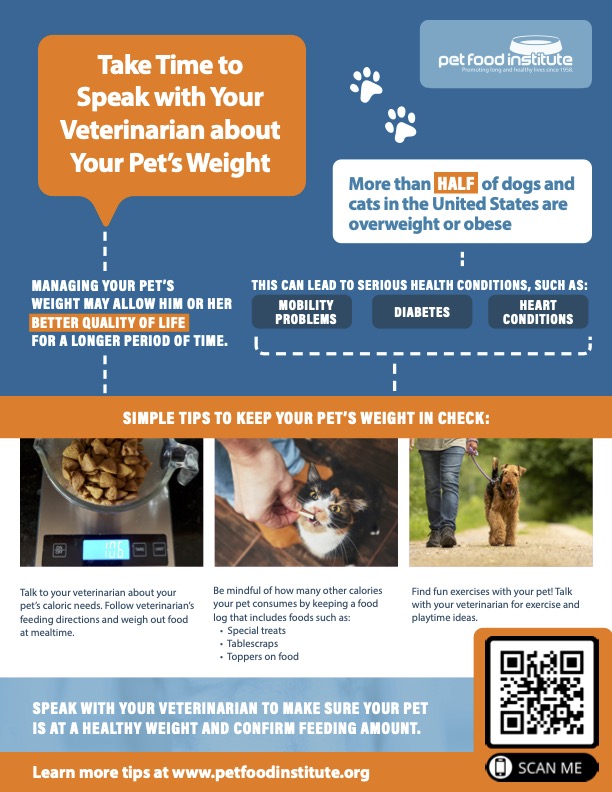
Be sure to examine with your vet on your animal's post-opt dietary requirements. Rewards must be given in moderation and stand for 5 percent or much less of the dog's everyday food consumption.

Table of Contents
Latest Posts
Indicators on New Sbe Council Tech Use Survey: The Digital State Of Small ... You Need To Know
Getting My It's Time For A New Sales Strategy Plan - Simon-kucher To Work
How Sales Skills And Techniques: A Complete Guide To Strengthen Your ... can Save You Time, Stress, and Money.
More
Latest Posts
Indicators on New Sbe Council Tech Use Survey: The Digital State Of Small ... You Need To Know
Getting My It's Time For A New Sales Strategy Plan - Simon-kucher To Work
How Sales Skills And Techniques: A Complete Guide To Strengthen Your ... can Save You Time, Stress, and Money.